Brain Blunders in the New Economy 0
At the speed with which decisions are being made in this economy, have you ever stopped to think how you are making those decisions in your mind? Studies have shown that we tend to have a behavioral bias that may actually prevent us from making the right decisions. It’s almost Pavlovian in how we respond when something triggers one of these mental blocks.
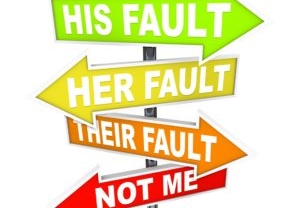
Brain blunders happen to every one of us when making some decisions. The following five “mental blocks” can be the cause of why we make a poor decision. Do any of these ring a bell with you?
1. Overconfidence
Why America Loses Jobs 0
Are you wondering what happened to American jobs? Ever wonder why corporations are sending jobs off shore? Do you wonder what the new economy is going to look like for the next ten years? Here is a hint – the game has completely changed.
We tend to look at our government for fixes when our unemployment numbers jump. What if the game changed so much it is beyond the government and we need to get a different approach to working as a country?
Above is a video of a 30 story hotel being built in 15 days in China. Not framed, but fully built. The video is fascinating with how the construction is solid enough to withstand a 9.0 earthquake, no workers lost a day due to an injury, and this process can be readily repeated.
How long would this take in America? This is an example of how the game has changed and as Americans we need to be thinking of how we are going to elevate our work ethic to compete on this scale. More
The Dangerous Devaluation in the New Economy (is What’s Killing Your Profits) 0
American businesses are trying to embrace any edge they can in this new economy yet in the process they are dangerously devaluing their organizations in their search for the edge over their competitors.
Without a doubt consumers are smarter than they have ever been. They are better educated about options. Technology provides them with tools to comparison shop. They have been taught to be price-focused and businesses are killing themselves trying to play this game.
Christmas purchases rarely happen unless a sale is involved (retailers giving away profits for cash flow.) Sales used to be a great way to get customers into the store, now savvy customers are target shoppers only looking at the sale items and leaving.
Price wars are killing industries.
In 2011 the fewest movie tickets were sold since 1992. Is this only a reflection on the quality of the product coming out of Hollywood? Not as much as you might think, it’s the devaluation of the product that is making the difference.
At $9.50 a ticket (or $17 per ticket for IMAX) plus a shared popcorn and drink for another $9 make the movie experience for a couple close to a $30 purchase. That price point force consumers to ask themselves, “What are the cheaper options?”
Within a couple of months of a movie’s theatrical release I can rent it at one of the thousands of movie box rentals for $1 or I can stream it at home for a low monthly fee. Microwave popcorn and any beverage I want are vastly cheaper at home.
The Agile Business Holiday Customer Service: Help Them Relax 0
I’m sure I wasn’t the only one who shook his head reading about the Black Friday Walmart shopper who resorted to using pepper spray on her fellow shoppers in order to get what she wanted before everyone else.
The customer environment has changed in this new economy, and there are some important steps an Agile Business will make to help both the customer and your bottom line.
Recently a Consumer Reports survey found that 64% of customers have walked out of a store because of poor customer service, while 70% indicated they are willing to spend more at companies that provide superior customer service. More
Is your Drive Stuck in Park? 0
Russell White advises to achieve excellence you have to be driven for success. Are you truly driven? Answer these three questions.
An Agile Business is the New Stable Business 0
Once upon a time the quality of your organization was significantly based on the stability of the institution and how long you had been in business. Many organizations, from restaurants to financial services, would boast about being in business for 50 years. The financial meltdown of 2008 taught us huge, long-respected organizations that had an outward appearance of stability can be riddled with crumbling controls. More